

» Home Electrical Wiring
» Electrical Wiring Directory
» Generator Transfer Switches and Hook Up Portable Generator
» Need Electrical Help? Ask the Electrician
» Generator Transfer Switches and Hook Up Portable Generator
» Need Electrical Help? Ask the Electrician
Basic Generators
|
Summary: Lets see how a back up generator works and provides power to your home electrical requirements. © By: Dave Rongey |
The Basic Generator System and How It Works
Generator Basics
Generators smaller then 4,000 watts are in most instances not capable of powering a home during a power outage because they can not provide the needed power for electrical loads such as motors, well pumps and ventilation blowers on a central heating system.
Home-Generators
A typical home supplied with 200-amp electric service can actually support a load of approximately 45,000 watts (45kW) of electric demand.
|
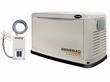
Basic Portable Generators Portable generators are produced in sizes ranging from a few hundred watts to 15,000 watts (15kW). Basic Standby Generators A standby generator is a permanently installed generator that is attached to your electrical service panel. Most of the standby generators start automatically and are connected to a large fuel source such as propane or diesel fuel. |
Even if you were to purchase a 10,000 to 15,000 watt portable generator you would find it more expensive, difficult to move, noisy, and the fuel consumption will be large. Typically you will not be able to run you home's central air conditioning system or electric heat pump even with a 15,000 watt portable generator. |