

Circuit Breakers and Electrical Wiring Safety
|
My outlet tester says that that the Hot and Ground are reversed, how can I fix this? Electrical Circuit Outlet Problems and How to Fix Them, Troubleshooting Problems with Outlet Circuit Wiring. © By: Dave Rongey |
Guide to Troubleshooting Problems with Outlet Circuit Wiring
Electrical Question: When I plug my outlet tester into my outlets it gives a signal that that the Hot and Ground are reversed.
- I have three outlets that are not working, a laundry room outlet, an outdoor outlet, and a garage GFCI outlet.
- I don’t know the specific wiring order, and here is why. When I plug my GFCI outlet tester into any of these three outlets, it gives a signal that that the Hot and Ground are reversed. (GB tester reads red, off, yellow.)
- This is true even when I turn the circuit breaker to the laundry room off. I would look at this wiring to see if that is the case, but my real concern is one of safety.
- Something is powering this circuit and I don’t want to work on it if it is getting power even when the circuit breaker supposedly serving it is off.
- Do I have the wrong circuit breaker? Another outlet in the laundry room is working, and when I turn the breaker off, it powers down that outlet as one would expect.
- This leads me to believe that the GFCI is bad, and the GFCI comes first in line among the three bad outlets. But again. I don’t want to be working on a circuit that I cannot power down.
Can you help? My home was built in the late 1990s.
This electrical question came from: Clay, a Homeowner from Stillwater Minnesota.
Dave’s Reply:
Thanks for your electrical question Clay.
Problems with Electrical Circuit Wiring and Outlets
Application: Troubleshooting an Outlet Circuit.
Skill Level: Advanced – Best performed by a Certified Electrician or a Licensed Electrical Contractor.
Tools Required: Basic Electricians Pouch Hand Tools, Voltage Tester or Volt Ohm Meter.
Estimated Time: Depends on the type and age of the electrical wiring and the access to the circuits and wiring to be evaluated.
Precaution: This is a project that should be performed by a Licensed Electrical Contractor and typically requires specific tests of the electrical circuits.
Notice: Repairs to Home Electrical Wiring should be done according to local and national electrical codes and installing new or replacement electrical parts or equipment may require a permit and inspections.
Common Problems with Outlets and How to Fix Them
- Circuit Voltage
With the problems outlined in this question it is possible that the GFCI outlet is bad, however if there was circuit voltage to the ground then at least one circuit breaker should be tripping off. - Identify the Circuit
The problem circuit will need to be identified by turning off the circuit breakers one at a time until the GFCI tester or voltage tester shows the power is off. - Inspect the Wiring
The affected outlet wiring and splice connections will need to be examined for faulty, burnt or corroded connections which will need to be repaired. - Check for Faulty Connections
Examination of all wiring connections are essential, especially the white neutral wires which will often cause a problem such as this. - Circuit Wires at the Panel
The wiring connections of the affected circuit should also be checked at the panel as well for loose, burnt or corroded connections of either the circuit wire to the circuit breaker or the white neutral wire to the terminal strip.
More about Electrical Troubleshooting Circuit Wiring
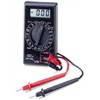
- Electrical Safety and Voltage Testers
- When working on home electrical wiring, quality voltage testers can play an important part in electrical safety.
- Electrical testers enable you to identify electrical circuits and help prevent the possibility of accidental electrical shock.

- GFCI Wiring
- This list of articles will help you learn about the features and benefits provided by GFI and GFCI Receptacles and how they are wired.
Electrical Outlet Wiring

Wiring Electrical Outlet for the Home
Home electrical wiring includes 110 volt outlets and 220 volt outlets and receptacles which are common place in every home. See how wiring electrical outlets for the home are done.

- Electric Circuit Listing
- The size of the home electrical service panel is designed by calculating the square footage of the home and factoring in the code requirements for the electrical circuits that are required.
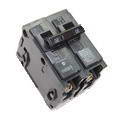
- Electrical Wiring Protection using Circuit Breakers
- A guide to home electrical circuit breakers and how they work to protect your electrical wiring. When properly installed, your home electrical wiring is protected by a circuit protection device.
How to Install Laundry Room Electrical Wiring

- Laundry Room Electrical Wiring
- Fully Explained Photos and Wiring Diagrams for Laundry Room Electrical Wiring with Code Requirements for most new or remodel projects.
How to Install Garage Electrical Wiring

- Garage Electrical Wiring
- Fully Explained Photos and Wiring Diagrams for Garage Electrical Wiring with Code Requirements for most new or remodel projects.
The following may also be helpful for you:
|
|
Be Careful and Be Safe - Never Work on Energized Circuits!
Consult your Local Building Department about Permits and Inspections for all Electric Wiring Projects.


More articles about Electrical Safety, Outlet Circuit Breaker and Home Electrical Wiring: |
|
| « Previous | Next » |
Safety Guidelines For Light Fixture Projects |
The Shocking Truth About Neutral Wires |