

» Home Electrical Wiring
» Electrical Wiring Directory
» Generator Transfer Switches and Hook Up Portable Generator
» Generator Transfer Switches and Hook Up Portable Generator
Generator Safety

|
Summary: Consider these guidelines to help understand if a portable home generator is a good idea for your home. © By: Dave Rongey |
Generator Safety: Is a Portable Generator a Good Idea?
Considering a Portable Generator
While a properly sized portable home generator may work fine for for your home, make sure the method that you use for powering up your home will be done safely by considering the following information.
Some customers prepare for the possibility of power outages by buying an electric generator as a standby system to keep lights and appliances running until service is restored. Home generators may be able to save food in your refrigerator or freezer during a prolonged outage, let you keep your home office running, or power other essential equipment.
Generators can be expensive and noisy. They can also pose serious safety hazards to you and to others, so please follow all safety instructions provided by the manufacturer.
The law requires that customers with a permanently installed or portable generator do not connect it to another power source, such as your Electric Utility Company's power lines. If you own and operate a generator, you are responsible for making sure that electricity from your unit cannot "back feed," or flow into the utility power lines. For safety's sake, be sure to use your generator correctly. If you don't, you risk damaging your property and endangering your life and the lives of electrical utility line workers who may be working on power lines some distance from your home.
Permanent Stand By Generators |
|
 |
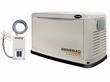
When a home generator is permanently connected to a customer's electric system, it energizes the building's wiring. This type of installation requires a device that prevents the generator from being connected to the electrical utility's power lines. |
Consider these Generator Safety Tips |
|
|
IMPORTANT:
Portable Home GeneratorsPortable home generators are designed to be connected only to selected appliances or lamps. These generators never should be connected directly to a building's wiring system. |
|