

» Home Electrical Wiring
» Electrical Wiring Directory
» How to Wire a GFI Outlet and GFCI Receptacles
» How to Wire a GFI Outlet and GFCI Receptacles
GFCI Circuits and Outlets
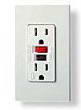 |
Summary: This article about GFCI outlets for home electrical use will provide a more in depth understanding about gfi protection and provides wiring examples.
© By: Dave Rongey |
GFCI Outlets Ground Fault Circuit Interruption
 |
Home Electrical GFI Outlets Features and BenefitsThis article provides information telling how the gfi electric circuit will help protect children and other occupants in your home against electrical injuries.Electrical GFI Outlet Codes RequirementsThis article explains the basics of electrical code requirements for GFI Protection as part of the home electrical circuit wiring system.Home Wiring a Single GFCIThis article and photo series will show you the basics of wiring a circuit with a single gfi outlet.Electrical GFCI Wiring the Feed Through MethodThis article and photo series shows the electric circuit feed through wiring method which provides protection for all of the receptacles downstream on the circuit.Electrical GFCI Tailed Wiring MethodThis article and photo series shows how home wiring a gfci tailed method which enables you to install one GFI Outlet on a electric circuit to protect one location without affecting other devices on the circuit.Electrical GFI Circuit BreakersThis article explains how modern house wiring is protected by gfci circuit breakers which are installed in electrical service panels. |
The Safest Way to Test Electrical Devices and Identify Electric Wires!The Non-Contact Electrical TesterThis is a testing tool that I have had in my personal electrical tool pouch for years, and is the first test tool I grab to help identify electrical wiring. It is a Non-contact tester that I use to easily Detect Voltage in Cables, Cords, Circuit Breakers, Lighting Fixtures, Switches, Outlets and Wires. Simply insert the end of the tester into an outlet, lamp socket, or hold the end of the tester against the wire you wish to test. Very handy and easy to use.
The Quickest Way to Check for Faulty Electrical Wiring!The Plug-In Outlet TesterThis is the first tool I grab to troubleshoot a problem with outlet circuit wiring. This popular tester is also used by most inspectors to test for power and check the polarity of circuit wiring. It detects probable improper wiring conditions in standard 110-125 VAC outlets Provides 6 probable wiring conditions that are quick and easy to read for ultimate efficiency Lights indicate if wiring is correct and indicator light chart is included Tests standard 3-wire outlets UL Listed Light indicates if wiring is incorrect Very handy and easy to use.
Strip Off Wire Insulation without Nicking and Damaging the Electric Wire!The Wire Stripper and Wire CutterMy absolute favorite wire stripping tool that I have had in my personal electrical tool pouch for years, and this is the tool I use to safely strip electrical wires. This handy tool has multiple uses: The wire gauges are shown on the side of the tool so you know which slot to use for stripping insulation. The end of the tool can be used to grip and bend wire which is handy for attaching wire onto the screw terminals of switches and outlets.. The wire stripper will work on both solid and stranded wire. This tool is Very Handy and Easy to Use. |
||


Outlets Parts and Accessories120volt Wall Outlet GFCI Outlet Switch and Outlet Combo |