

How to Convert a Circuit to be Used for a Sub-Panel
|
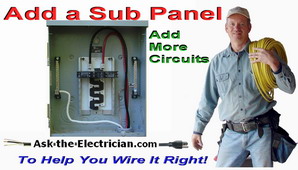
Can I use a 220 volt cable to power a sub-panel? How to Convert a 220 Volt Circuit Cable for a Sub-Panel. © By: Dave Rongey |
Converting a 220 Volt Circuit Cable for a Sub-Panel
Electrical Question:Can I use a 220 volt cable to power a sub-panel?
I have an old 220 volt circuit that went to an electric range. We have since switched to Natural Gas. My question is can I reroute the 220 volt cable to the basement and use it for the power to a sub-panel? I only have one receptacle in the basement.
Thanks for the info.
This electrical wiring question came from: Buck, from Emmett, Idaho.
Dave’s Reply:
Thanks for your electrical wiring question Buck.
How to Install a Sub Panel Using an Existing Circuit
Application: Electrical Wiring for a Panel.
Skill Level: Intermediate to Advanced. This electrical project is best performed by a Certified Electrician or a Licensed Electrical Contractor.
Tools Required: Electricians pouch of hand tools and the various power tools necessary for installing the sub-panel.
Estimated Time: Depends on the type and size of the panel and available access to the project area.
Precaution: Any existing electrical wiring within the immediate area that may interfere with the installation of the sub panel should be identified and turned OFF and Tagged if necessary.
Notice: Installing additional electrical wiring and a sub-panel should be done according to local and national electrical codes with a permit and be inspected.
Sub Panels Require a 4-Wire Feeder Cable with a Separate Dedicated Neutral
120/240 Volt Circuits A typical sub panel that will be used to supply power for 120 volt circuits. Typical 120 volt circuits may be receptacle outlets, lighting, smoke detectors, or any other 3-wire 120 volt device.
Circuit Disconnect for 240 Volt Equipment
240 Volt Circuits A Dedicated Neutral wire conductor is not required for 240 volt circuits for equipment that does not require a neutral. Typical 240 volt equipment may be a hot water heater, air compressor, welder, or any 3-wire 240 volt equipment. The circuit amperage requirements must be within the range of the amperage rating of the cable to be used for the circuit.
IMPORTANT:
The total connected load of the circuits that would be added to a sub-panel must be 80% of the amperage rating of the cable supplying power to the sub-panel.
More about Electrical Wiring for Panels and Circuits

House Wiring Circuits and Circuit Breakers
This article looks at common 120 volt and 240 volt house wiring circuits and the circuit breakers that are installed identifying the types and amperage sizes used in most homes.
Home Electrical Circuits

Electric Circuit Listing
The size of the home electrical service panel is designed by calculating the square footage of the home and factoring in the code requirements for the electrical circuits that are required.
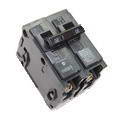
Home Electrical Circuit Breakers
A guide to home electrical circuit breakers and how they work to protect your electrical wiring. When properly installed, your home electrical wiring is protected by a circuit protection device.

Home Electrical Codes
Electrical Code Directory covering methods of electrical circuit wiring and electric panels.
The following may also be helpful for you:
|
|
Be Careful and Be Safe - Never Work on Energized Circuits!
Consult your Local Building Department about Permits and Inspections for all Electric Wiring Projects.


More articles about Electrical Wiring and Home Electrical Wiring: |
|
| « Previous | Next » |
Recessed Light Conversion Kit and Task Lighting |
Installing a Sub Panel for an Attached Garage Video |