

Installing 220 Volt Electric Appliances
|
Understanding the Qualification for Installing Major Electrical Appliances: Local Jurisdictions and Adopted Building Codes, Who is allowed to wire electrical appliances and where to find a city code that explains this. © By: Dave Rongey |
220 Volt Wiring Connections
Electrical Question: My husband installs microwaves, washers, dryers, ovens, etc. The appliances are pre-wired with a 220 pigtail and the wall has a 220 wire.
- The supervisor of the company has now stated that they are to do the installing and the wiring of these appliances. The employees are concerned for they feel that a certified electrician has to do this.
- Who is allowed to wire these items and where can I find a city code stating this. The supervisor has claimed that the city code statute has a by-law that states if the appliance has a pre-wired pigtail the installer can wire the appliance. However he will not show the men the paper work when they asked to see what it says. They do not want to be held liable if something goes wrong and if this is illegal.
If you could give me any information on this I would greatly appreciate it or any information where I can find out what the code really states.
Thank you for your time,
Julie.
This home electrical wiring question came from: Julie, in Mesa, Arizona.
Dave’s Reply:
Thanks for your electrical wiring question Julie.
Understanding the Qualification for Installing Major Electrical Appliances
Application: Installing 220 Volt or 240 Volt Major Appliances.
Skill Level: Best installed by a Licensed Electrical Contractor or a Certified Appliance Technician.
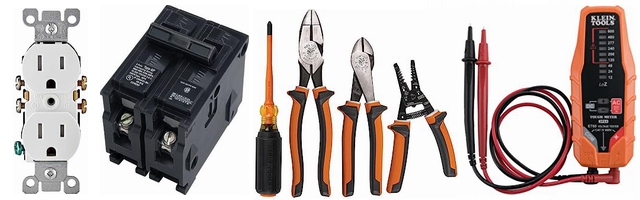
Tools Required: Basic Electricians Pouch Hand Tools, Volt Tester, Battery Operated Drill Motor, a support system for the appliance that will be installed.
Estimated Time: Depends on personal level experience with the specific appliance, ability to work with tools and connect 220 volt electrical circuit wiring.
Precaution: Identify the 220 volt circuit at the panel, turn it OFF and Tag it with a Note before making the oven wiring connections.
Notice: When installing an additional 220 volt oven circuit the work should be done according to local and national electrical codes with a permit and be inspected.
Local Jurisdictions and Adopted Building Codes
- Home electrical circuit wiring is typically installed by a licensed electrical contractor or a construction company that has a license that covers the installation of electrical wiring within the appropriate classifications. During the phases of construction there are tasks or services that are sub-contracted out to other technicians. Each classification or specific area of the construction project is the responsibility of a licensed contractor, however the ultimate responsibility of the project will be either the general contractor or the homeowner, depending on who is the ultimate responsible party.
- Typically when a company is hired to install major electrical appliances the circuit wiring is already installed and ready for the connections. The appliance company must then provide qualified technicians who are trained and certified as required for the appliances and systems that they are installing. There may be an agreement that the electrical contractor will make the electrical connections for the appliance installer, which works very well since the electrician fully understands the circuit wiring and will be able to comprehend the wiring connections for the major appliance.
Electrical Codes for Specific Areas and Jurisdictions
- Each state makes specific decisions about adopting certain national building codes and creating their own state and local codes as applicable for their location and jurisdiction. Examples of this would be how California building codes are designed so a structure will withstand certain levels of earthquake activity, while Florida structures are designed to withstand hurricanes.
- The more building codes that are enforced, the more stringent the qualifications will be to become certified or licensed in a specific trade. The end result is that the responsibility for each phase and facet of construction must be accepted and covered by a qualified individual or company which is recognized and licensed as required through the local building department or building authority for the given location, which is enforced based upon the adopted local and national codes. For specific information please consult your local building authority.
More about 220 Volt Wiring

Wiring 220 Volt Electrical Outlet
Home electrical wiring includes 110 volt outlets and 220 volt outlets and receptacles which are common place in every home. See how electrical outlets for the home are wired.
Kitchen Oven Electrical Wiring

Wiring Options for a Kitchen Oven
Fully Described Kitchen Electric Oven Installation with a typical 220 Volt electric circuit. You may find yourself with either a 3-wire or 4-wire electric oven. Lets look at how the electric oven is wired and the possible solutions if your circuit does not seem to the same.
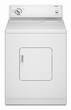
3-Wire and 4-Wire Configurations for Clothes Dryers
See an electric dryer installation with a typical 220 Volt electric power cord wiring system. You may find yourself with either a 3-wire or 4-wire electric dryer, or a 3-wire or 4-wire outlet. Lets look a how the electric dryer is wired and what to do if your cord does not match the plug.
Electrical Code Articles for Home Wiring
Electrical Code Directory covering AFCI circuit, electrical-boxes, electrical-circuit, electrical-code-outlets, electrical GFCI, electrical-grounding, electrical-project, electrical-services, electrical-underground, electrical-wiring, electrical-wiring-code, lighting-code, and smoke-detectors.
The following may also be helpful for you:
|
|
Be Careful and Be Safe - Never Work on Energized Circuits!
Consult your Local Building Department about Permits and Inspections for all Electric Wiring Projects.


More articles about Electrical Wiring and Home Electrical Wiring: |
|
| « Previous | Next » |
How to Wire GFCI Circuits and GFI Outlets |
Can A Dryer Be Connected to a Generator? |