Electric Wall Outlets that Do Not Work
Electrical Problem #1: I’m having a problem with the hot outlets in my bedroom.
- I have 5 sets of outlets in my master bedroom. The bottom outlet in each set works off the light switch. The top outlet in each set is always hot.
- They were all working fine until we plugged in our portable a/c unit for the first time this season. It was plugged into the top or hot portion of one of the outlets.
- It worked fine for about 6 hours and then in the middle of the night it stopped working. Now, none of the hot outlets work. All the outlets working off of the light switch work. And all of the hot outlets test OK with a tester.
- They test hot by putting one end of the tester in the short side and one into the horseshoe hole or ground slot. The air conditioning unit works by plugging it into the switched outlets. And nothing works plugged into a hot outlet.
Help!
This electrical question came from: Robert, from Enfield, New Hampshire.
Electrical Problem #2: Why are my outlets not working?
Molly in Birch Tree, Missouri asks:
Just turned electric on to a trailer been sitting for 10years and lights work except for one bedroom and bathroom but all outlets do not work
Dave’s Reply:
Thanks for your electrical question Robert and Molly.
Application: Troubleshooting an Outlet Circuit.
Skill Level: Advanced. This electrical wiring project is best performed by a Licensed Electrical Contractor or Certified Electrician.
Tools Required: Basic Electricians Pouch Hand Tools, Voltage Tester or Volt Ohm Meter.
Estimated Time: Depends on the type and age of the electrical wiring and the access to the circuits and wiring to be evaluated.
Precaution: This is a project that should be performed by a Licensed Electrical Contractor and typically requires specific tests of the electrical circuits.
Notice: Repairs to Home Electrical Wiring should be done according to local and national electrical codes and installing new or replacement electrical parts or equipment may require a permit and inspections.
The Cause and Solution for Non-Working Electric Wall Outlets
- The information that has been provided describes one of the most typical problems which occur with 110 volt electrical outlets in the home.
- The cause of this condition is typically due to plugging large equipment into a shared circuit.
- A dedicated circuit may be required for large equipment such as space heaters and air conditioners to ensure that the shared circuit will not become overloaded.
- The shared circuit with a large appliance may develop a burnt connection where the electrical wires attach to one of the outlets on the outlet circuit.
- When an outlet becomes burnt or damaged the outlet will need to be replaced and any damaged wire must be repaired.
- Another typical problem is with a burnt or deteriorated splice which is found in one of the outlet boxes.
- The affected electrical wiring and splice will need to be inspected and repaired as needed.
- This condition is best performed by a experienced qualified electrician.
More about Wiring Wall Outlets
Residential Electrical Outlet Wiring

Wiring Electrical Outlets for the Home
Home electrical wiring includes 110 volt outlets and 220 volt outlets and receptacles which are common place in every home. See how wiring electrical outlets for the home are done.
Air Conditioner Wiring Articles
How to Install Bedroom Electric Wiring

Bedroom Electrical Wiring Requirements
Fully Explained Photos and Wiring Diagrams for Bedroom Electrical Wiring with Code Requirements for most new or remodel projects.
Troubleshooting Residential Electrical Wiring
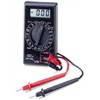
Understanding Electrical Testers
When working on home electrical wiring using voltage testers can play an important part in electrical safety. Electrical testers enable you to identify electrical circuits and help prevent the possibility of accidental electrical shock.
Types of Electrical Testers
Using Electrical Testers
Electric Wall Outlets that Do Not Work
Electrical Problem #1: I’m having a problem with the hot outlets in my bedroom.
- I have 5 sets of outlets in my master bedroom. The bottom outlet in each set works off the light switch. The top outlet in each set is always hot.
- They were all working fine until we plugged in our portable a/c unit for the first time this season. It was plugged into the top or hot portion of one of the outlets.
- It worked fine for about 6 hours and then in the middle of the night it stopped working. Now, none of the hot outlets work. All the outlets working off of the light switch work. And all of the hot outlets test OK with a tester.
- They test hot by putting one end of the tester in the short side and one into the horseshoe hole or ground slot. The air conditioning unit works by plugging it into the switched outlets. And nothing works plugged into a hot outlet.
Help!
This electrical question came from: Robert, from Enfield, New Hampshire.
Electrical Problem #2: Why are my outlets not working?
Molly in Birch Tree, Missouri asks:
Just turned electric on to a trailer been sitting for 10years and lights work except for one bedroom and bathroom but all outlets do not work
Dave’s Reply:
Thanks for your electrical question Robert and Molly.
Application: Troubleshooting an Outlet Circuit.
Skill Level: Advanced. This electrical wiring project is best performed by a Licensed Electrical Contractor or Certified Electrician.
Tools Required: Basic Electricians Pouch Hand Tools, Voltage Tester or Volt Ohm Meter.
Estimated Time: Depends on the type and age of the electrical wiring and the access to the circuits and wiring to be evaluated.
Precaution: This is a project that should be performed by a Licensed Electrical Contractor and typically requires specific tests of the electrical circuits.
Notice: Repairs to Home Electrical Wiring should be done according to local and national electrical codes and installing new or replacement electrical parts or equipment may require a permit and inspections.
The Cause and Solution for Non-Working Electric Wall Outlets
- The information that has been provided describes one of the most typical problems which occur with 110 volt electrical outlets in the home.
- The cause of this condition is typically due to plugging large equipment into a shared circuit.
- A dedicated circuit may be required for large equipment such as space heaters and air conditioners to ensure that the shared circuit will not become overloaded.
- The shared circuit with a large appliance may develop a burnt connection where the electrical wires attach to one of the outlets on the outlet circuit.
- When an outlet becomes burnt or damaged the outlet will need to be replaced and any damaged wire must be repaired.
- Another typical problem is with a burnt or deteriorated splice which is found in one of the outlet boxes.
- The affected electrical wiring and splice will need to be inspected and repaired as needed.
- This condition is best performed by a experienced qualified electrician.
More about Wiring Wall Outlets
Residential Electrical Outlet Wiring
Wiring Electrical Outlets for the Home
Home electrical wiring includes 110 volt outlets and 220 volt outlets and receptacles which are common place in every home. See how wiring electrical outlets for the home are done.
Air Conditioner Wiring Articles
How to Install Bedroom Electric Wiring
Bedroom Electrical Wiring Requirements
Fully Explained Photos and Wiring Diagrams for Bedroom Electrical Wiring with Code Requirements for most new or remodel projects.
Troubleshooting Residential Electrical Wiring
Understanding Electrical Testers
When working on home electrical wiring using voltage testers can play an important part in electrical safety. Electrical testers enable you to identify electrical circuits and help prevent the possibility of accidental electrical shock.
Types of Electrical Testers
Using Electrical Testers
Electrical Problems That Cause Abnormal Power
Electrical Question: Why do my outlets not have full power?
Electrical Problem #1: My outlets are not making full electrical power.
- I had my kitchen microwave plugged in and a few days ago it just would sort of bog down when I turned it on. I thought it was broken so I bought a new one. Well, the new microwave is doing the same thing. So I thought I would plug it into other outlets, but the same thing is happening.
- When the refrigerator turns on the lights in the house fluctuate. Also worth noting, a few days ago there was a funny “shorted out” smell coming from the room with the breaker box. I removed the breaker box cover and all the wires are exposed and I don’t see anything that looks burned or out of sort. Any advice?
Background: Sam, who is a Handyman in Texas.
Example #2: My power equipment only runs at 1/4 speed or less and if I turn the lights off I lose all the power.
- My shed has 2 circuits, one for lights and one for receptacles. The circuits are 15 and 20 amps.
- I recently have lost power unless both circuits are on.
- When I do have power I am unable to operate any power equipment because they run at 1/4 speed or less.
- If I turn lights off I have no power to the receptacles.
- I have 110 volts to the circuit breakers and the same to the receptacles only when lights are on.
- This a small workshop. I began having problems when my air compressor had problems which I have discarded.
Any help much needed! Thanks.
This electrical wiring question came from Paul in Maryland.
Example #3: Some of my outlets lost full power, there is only a little power.
- I have 4 outlets that lost power all of a sudden, no fuses blew.
- The outlets have a little power but not enough to run anything.
- I rewired one outlet with new wire and outlet, its the only one running to 1 fuse right now and it still has only a little power.
- I disconnected other outlets that aren’t working from fuse box still not working, rest of the house is fine
This electrical wiring question came from Carl in New York.
Dave’s Reply:
Thanks for your electrical wiring questions Sam, Paul and Carl.
How to Troubleshoot an Electric Power Problem
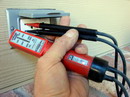
Application: Electrical Troubleshooting a Outlet Circuit Power Problem.
Skill Level: Advanced – This electrical testing process is best performed by a Certified Electrician or a Licensed Electrical Contractor, or the electrical utility company.
Tools Required: Basic Electricians Pouch Hand Tools, Voltage Tester or Volt Ohm Meter.
Estimated Time: Depends on the type and age of the electrical wiring and the access to the circuits and wiring to be evaluated.
Precaution: This is a project that should be performed by a Licensed Electrical Contractor and typically requires specific tests of the electrical circuits.
Notice: Repairs to Home Electrical Wiring should be done according to local and national electrical codes and installing new or replacement electrical parts or equipment may require a permit and inspections.
Common Causes of Partial Electric Power
The electrical questions above describe the symptoms of a problem within the circuit wiring. Listed below are the most common causes of lost power or partial power.
Examples of the Typical Causes of Lost Electrical Power
- Voltage Feedback Causes Partial Power
The electrical system most likely lost one leg of power so the circuits are feeding voltage back through one leg of a 220volt circuit that is turned on.
- The Cause of Lost Power or Dim Lights
The electrical panel may have a faulty connection either with one of the main power lines, or a problem with the neutral, however this is typically a fault with one of the main power lines.
- Possible Fault with the Electric Panel Main Breaker
It may be that the main breaker for the panel is partially tripped, or the breaker may be faulty.
- Possible Problem with the Main Electrical Utility Wires
Another possibility is that one of the main power lines from the electrical utility provider may be faulty. If this is the case, then the electrical utility company should be notified about the problem. If the problem is with their side of the electrical service they would need to inspect their electrical wires and make any necessary repairs.
- Inspecting the Electrical Circuit
The lost portion of electrical power will need to be identified by inspecting various circuits and components of the home electrical system.
- Repairing Burnt Wires
When burnt wiring connections have been located at either a terminal connection or within an electrical splice the repairs will need to be made according to code and using the appropriate parts, including a replacement receptacle outlet, new wire, and wire connectors.
See More about How to Troubleshoot Home Electric Power Problems
- How to Test and Repair Electrical Wiring

-
Troubleshooting and Repairing Electrical Wiring
- Licensed Electrician Reveals the Secrets of Successful Electrical Troubleshooting Methods used to solve the majority of the home electrical problems and wiring failures encountered.
- Outlet Wiring
Wiring Electrical Outlet for the Home
Home electrical wiring includes 110 volt outlets and 220 volt outlets and receptacles which are common place in every home. See how wiring electrical outlets for the home are done.
- Electric Circuit Breakers
Electrical Wiring Protection using Circuit Breakers
A guide to home electrical circuit breakers and how they work to protect your electrical wiring. When properly installed, your home electrical wiring is protected by a circuit protection device.
- Home Electrical Wire
Electrical Wire for the Home
Complete listing of electrical wire types and parts used for home projects with electrical code information serves as selection guidelines.
Electrical Problems That Cause Abnormal Power
Electrical Question: Why do my outlets not have full power?
Electrical Problem #1: My outlets are not making full electrical power.
- I had my kitchen microwave plugged in and a few days ago it just would sort of bog down when I turned it on. I thought it was broken so I bought a new one. Well, the new microwave is doing the same thing. So I thought I would plug it into other outlets, but the same thing is happening.
- When the refrigerator turns on the lights in the house fluctuate. Also worth noting, a few days ago there was a funny “shorted out” smell coming from the room with the breaker box. I removed the breaker box cover and all the wires are exposed and I don’t see anything that looks burned or out of sort. Any advice?
Background: Sam, who is a Handyman in Texas.
Example #2: My power equipment only runs at 1/4 speed or less and if I turn the lights off I lose all the power.
- My shed has 2 circuits, one for lights and one for receptacles. The circuits are 15 and 20 amps.
- I recently have lost power unless both circuits are on.
- When I do have power I am unable to operate any power equipment because they run at 1/4 speed or less.
- If I turn lights off I have no power to the receptacles.
- I have 110 volts to the circuit breakers and the same to the receptacles only when lights are on.
- This a small workshop. I began having problems when my air compressor had problems which I have discarded.
Any help much needed! Thanks.
This electrical wiring question came from Paul in Maryland.
Example #3: Some of my outlets lost full power, there is only a little power.
- I have 4 outlets that lost power all of a sudden, no fuses blew.
- The outlets have a little power but not enough to run anything.
- I rewired one outlet with new wire and outlet, its the only one running to 1 fuse right now and it still has only a little power.
- I disconnected other outlets that aren’t working from fuse box still not working, rest of the house is fine
This electrical wiring question came from Carl in New York.
Dave’s Reply:
Thanks for your electrical wiring questions Sam, Paul and Carl.
How to Troubleshoot an Electric Power Problem
Application: Electrical Troubleshooting a Outlet Circuit Power Problem.
Skill Level: Advanced – This electrical testing process is best performed by a Certified Electrician or a Licensed Electrical Contractor, or the electrical utility company.
Tools Required: Basic Electricians Pouch Hand Tools, Voltage Tester or Volt Ohm Meter.
Estimated Time: Depends on the type and age of the electrical wiring and the access to the circuits and wiring to be evaluated.
Precaution: This is a project that should be performed by a Licensed Electrical Contractor and typically requires specific tests of the electrical circuits.
Notice: Repairs to Home Electrical Wiring should be done according to local and national electrical codes and installing new or replacement electrical parts or equipment may require a permit and inspections.
Common Causes of Partial Electric Power
The electrical questions above describe the symptoms of a problem within the circuit wiring. Listed below are the most common causes of lost power or partial power.
Examples of the Typical Causes of Lost Electrical Power
- Voltage Feedback Causes Partial Power
The electrical system most likely lost one leg of power so the circuits are feeding voltage back through one leg of a 220volt circuit that is turned on.
- The Cause of Lost Power or Dim Lights
The electrical panel may have a faulty connection either with one of the main power lines, or a problem with the neutral, however this is typically a fault with one of the main power lines.
- Possible Fault with the Electric Panel Main Breaker
It may be that the main breaker for the panel is partially tripped, or the breaker may be faulty.
- Possible Problem with the Main Electrical Utility Wires
Another possibility is that one of the main power lines from the electrical utility provider may be faulty. If this is the case, then the electrical utility company should be notified about the problem. If the problem is with their side of the electrical service they would need to inspect their electrical wires and make any necessary repairs.
- Inspecting the Electrical Circuit
The lost portion of electrical power will need to be identified by inspecting various circuits and components of the home electrical system.
- Repairing Burnt Wires
When burnt wiring connections have been located at either a terminal connection or within an electrical splice the repairs will need to be made according to code and using the appropriate parts, including a replacement receptacle outlet, new wire, and wire connectors.
See More about How to Troubleshoot Home Electric Power Problems
- How to Test and Repair Electrical Wiring
-
Troubleshooting and Repairing Electrical Wiring
- Licensed Electrician Reveals the Secrets of Successful Electrical Troubleshooting Methods used to solve the majority of the home electrical problems and wiring failures encountered.
- Outlet Wiring
Wiring Electrical Outlet for the Home
Home electrical wiring includes 110 volt outlets and 220 volt outlets and receptacles which are common place in every home. See how wiring electrical outlets for the home are done.
- Electric Circuit Breakers
Electrical Wiring Protection using Circuit Breakers
A guide to home electrical circuit breakers and how they work to protect your electrical wiring. When properly installed, your home electrical wiring is protected by a circuit protection device.
- Home Electrical Wire
Electrical Wire for the Home
Complete listing of electrical wire types and parts used for home projects with electrical code information serves as selection guidelines.
Grounding an Outlet Circuit
Electrical Question I have a home with a mostly two prong outlets, which I would like to replace with 3 prong outlets.
- I have tested them and the outlets on my main floor have grounded outlet boxes, so I was able to just use self grounding three prong outlets.
- The outlets in my basement, however, are not giving me a voltage reading when I test for ground.
- I have tried testing for ground by using both the center screw and the box itself, but do not get any voltage reading.
- I even went so far as to install a three prong outlet and test the ground through the outlet, but I did not get any voltage reading.
- Inside the box, there is a ground wire. I tried connecting it to the outlet box and I tried connecting it to the outlet grounding screw. I did not get a ground reading either using either method.
- I would really like to avoid running a new ground wire, and I figure there must be an easier fix since the ground wire is already in place. Any suggestions for how to fix my grounding problem?
- One person has suggested checking the main electrical panel to see if the ground wire is properly connected to the neutral bar, and I will try that. Are there any other methods to troubleshoot the problem?
BTW, if I can’t find a better solution, I will install GFCI outlets, but I’d prefer not to have to do that as the outlet boxes already installed are too shallow and would have to be replaced, which I have heard can be a real pain.
Thanks so much for any assistance you can provide.
This electrical wiring question came from: Jay, a Homeowner from Denver, Colorado.
Dave’s Reply:
Thanks for your electrical wiring question Jay.
How to Ground an Ungrounded Outlet Circuit
Skill Level: Beginner to Intermediate. This electrical wiring project is best performed by a Licensed Electrical Contractor.
Tools Required: Basic Electricians Pouch Hand Tools and a Voltage Tester.
Estimated Time: Depends on personal level experience, ability to work with tools and the number of outlets that will be replaced.
Precaution: Identify the outlet circuit, turn it OFF and Tag it with a Note before working with the wiring.
Notice: Installing additional outlet wiring should be done according to local and national electrical codes with a permit and be inspected.
Installing a Ground System
- When testing to a metal outlet box or to the ground prong does not produce a normal voltage reading, or if a plug in circuit analyzer shows that a ground is not detected then these readings mean that the circuit wiring does not have a ground wire, so the circuit is not grounded.
- If there are other circuits in the home that do in fact have a ground wire and they test normal then the ground system at the main panels should be OK, but should be verified.
- If an older home has grounded outlets they should to be tested with a circuit analyzer and inspected to make sure that the grounding method is legal.
- The method of installing a jumper wire from the neutral to the ground screw of a receptacle outlet is an illegal and dangerous practice which can cause problems for the home electrical system, can damage the devices that are plugged in, and creates a dangerous potential shock hazard for the user.
- Installing a self-grounding outlet or any three prong or grounded outlet or a GFCI outlet will not magically produce a ground, all it does is provide a ground prong which has no connection to a grounded source, so it is in fact an illegal installation.
- The circuit wiring may be replaced and upgraded with new cabling which has a ground wire.
- In some cases, a separate ground wire may be installed for the ungrounded circuit or device and connected to the bonded ground system.
- Installed ground wires must be connected to the bonded ground system of the main electrical panel of the home.
More about Wiring 110 Volt Outlets
Wiring Outlets
Wiring Electrical Outlet for the Home
Home electrical wiring includes 110 volt outlets and 220 volt outlets and receptacles which are common place in every home. See how wiring electrical outlets for the home are done.
Electrical Panel

House Wiring Circuits and Circuit Breakers
This article looks at common 120 volt and 240 volt house wiring circuits and the circuit breakers that are installed identifying the types and amperage sizes used in most homes.
Electrical Wire
Electrical Wire for the Home
Complete listing of electrical wire types and parts used for home projects with electrical code information serves as selection guidelines.
Electrical Junction Boxes

Electrical Junction Boxes for Home Wiring
Understanding electrical junction boxes and what they are used for. Home electrical wiring is the process of installing electrical wire to a location that will serve electrical devices or an appliance. One very important component is the box where the wire will be installed. The type and size of the home wiring electrical boxes will depend upon the circuit size, application and its location.
Wiring a Basement

Basement Electrical Wiring for the Home
Understanding circuit options for basement electrical wiring will help you determine the electrical load requirements. This information will help as a home electrical basement wiring guide.
Circuit Troubleshooting
Troubleshooting Electrical Wiring Problems
Licensed Electrician Reveals the Secrets of Successful Electrical Troubleshooting Methods used to solve the majority of the home electrical problems and wiring failures encountered.
For more information about Grounding
Electrical Grounding

Electrical Grounding Methods and Requirements
Listing of electrical codes for grounding with examples of electrical grounding codes for home electrical wiring.
Grounding an Outlet Circuit
Electrical Question I have a home with a mostly two prong outlets, which I would like to replace with 3 prong outlets.
- I have tested them and the outlets on my main floor have grounded outlet boxes, so I was able to just use self grounding three prong outlets.
- The outlets in my basement, however, are not giving me a voltage reading when I test for ground.
- I have tried testing for ground by using both the center screw and the box itself, but do not get any voltage reading.
- I even went so far as to install a three prong outlet and test the ground through the outlet, but I did not get any voltage reading.
- Inside the box, there is a ground wire. I tried connecting it to the outlet box and I tried connecting it to the outlet grounding screw. I did not get a ground reading either using either method.
- I would really like to avoid running a new ground wire, and I figure there must be an easier fix since the ground wire is already in place. Any suggestions for how to fix my grounding problem?
- One person has suggested checking the main electrical panel to see if the ground wire is properly connected to the neutral bar, and I will try that. Are there any other methods to troubleshoot the problem?
BTW, if I can’t find a better solution, I will install GFCI outlets, but I’d prefer not to have to do that as the outlet boxes already installed are too shallow and would have to be replaced, which I have heard can be a real pain.
Thanks so much for any assistance you can provide.
This electrical wiring question came from: Jay, a Homeowner from Denver, Colorado.
Dave’s Reply:
Thanks for your electrical wiring question Jay.
How to Ground an Ungrounded Outlet Circuit
Skill Level: Beginner to Intermediate. This electrical wiring project is best performed by a Licensed Electrical Contractor.
Tools Required: Basic Electricians Pouch Hand Tools and a Voltage Tester.
Estimated Time: Depends on personal level experience, ability to work with tools and the number of outlets that will be replaced.
Precaution: Identify the outlet circuit, turn it OFF and Tag it with a Note before working with the wiring.
Notice: Installing additional outlet wiring should be done according to local and national electrical codes with a permit and be inspected.
Installing a Ground System
- When testing to a metal outlet box or to the ground prong does not produce a normal voltage reading, or if a plug in circuit analyzer shows that a ground is not detected then these readings mean that the circuit wiring does not have a ground wire, so the circuit is not grounded.
- If there are other circuits in the home that do in fact have a ground wire and they test normal then the ground system at the main panels should be OK, but should be verified.
- If an older home has grounded outlets they should to be tested with a circuit analyzer and inspected to make sure that the grounding method is legal.
- The method of installing a jumper wire from the neutral to the ground screw of a receptacle outlet is an illegal and dangerous practice which can cause problems for the home electrical system, can damage the devices that are plugged in, and creates a dangerous potential shock hazard for the user.
- Installing a self-grounding outlet or any three prong or grounded outlet or a GFCI outlet will not magically produce a ground, all it does is provide a ground prong which has no connection to a grounded source, so it is in fact an illegal installation.
- The circuit wiring may be replaced and upgraded with new cabling which has a ground wire.
- In some cases, a separate ground wire may be installed for the ungrounded circuit or device and connected to the bonded ground system.
- Installed ground wires must be connected to the bonded ground system of the main electrical panel of the home.
More about Wiring 110 Volt Outlets
Wiring Outlets
Wiring Electrical Outlet for the Home
Home electrical wiring includes 110 volt outlets and 220 volt outlets and receptacles which are common place in every home. See how wiring electrical outlets for the home are done.
Electrical Panel
House Wiring Circuits and Circuit Breakers
This article looks at common 120 volt and 240 volt house wiring circuits and the circuit breakers that are installed identifying the types and amperage sizes used in most homes.
Electrical Wire
Electrical Wire for the Home
Complete listing of electrical wire types and parts used for home projects with electrical code information serves as selection guidelines.
Electrical Junction Boxes
Electrical Junction Boxes for Home Wiring
Understanding electrical junction boxes and what they are used for. Home electrical wiring is the process of installing electrical wire to a location that will serve electrical devices or an appliance. One very important component is the box where the wire will be installed. The type and size of the home wiring electrical boxes will depend upon the circuit size, application and its location.
Wiring a Basement
Basement Electrical Wiring for the Home
Understanding circuit options for basement electrical wiring will help you determine the electrical load requirements. This information will help as a home electrical basement wiring guide.
Circuit Troubleshooting
Troubleshooting Electrical Wiring Problems
Licensed Electrician Reveals the Secrets of Successful Electrical Troubleshooting Methods used to solve the majority of the home electrical problems and wiring failures encountered.
For more information about Grounding
Electrical Grounding
Electrical Grounding Methods and Requirements
Listing of electrical codes for grounding with examples of electrical grounding codes for home electrical wiring.
Lost Power to Outlet Circuit Calls for Troubleshooting
Electrical Question: How do I troubleshoot an outlet circuit problem?
- I thought I blew a breaker by overloading a circuit.
- The circuit breaker didn’t trip.
- I still have no electrical power to the light or outlet.
- What do I look for?
This electrical question came from: Chris, a Handyman from Kansas City, Missouri.
Dave’s Reply:
Thanks for your electrical wiring question Chris.
Application: Troubleshooting an Outlet Circuit.
Skill Level: Advanced. This electrical wiring project is best performed by a Licensed Electrical Contractor.
Tools Required: Basic Electricians Pouch Hand Tools, Voltage Tester or Volt Ohm Meter.
Estimated Time: Depends on the type and age of the electrical wiring and the access to the circuits and wiring to be evaluated.
Precaution: This is a project that should be performed by a Licensed Electrical Contractor and typically requires specific tests of the electrical circuits.
Notice: Repairs to Home Electrical Wiring should be done according to local and national electrical codes and installing new or replacement electrical parts or equipment may require a permit and inspections.
Troubleshooting and Repairing Electrical Wiring
Repair Electrical Wiring
- Dave the electrician explains Successful Electrical Troubleshooting Methods.
- Methods to identify the majority of the home electrical wiring problems and outlet wiring failures.
Troubleshooting Residential Electrical Wiring
More about Wiring Outlets and Circuit Repairs
Electrical outlet wiring
Wiring Electrical Outlet for the Home
Home electrical wiring includes 110 volt outlets and 220 volt outlets and receptacles which are common place in every home. See how wiring electrical outlets for the home are done.
Electric Circuits

Electrical Circuit Listing
The size of the home electrical service panel is designed by calculating the square footage of the home and factoring in the code requirements for the electrical circuits that are required.
Lost Power to Outlet Circuit Calls for Troubleshooting
Electrical Question: How do I troubleshoot an outlet circuit problem?
- I thought I blew a breaker by overloading a circuit.
- The circuit breaker didn’t trip.
- I still have no electrical power to the light or outlet.
- What do I look for?
This electrical question came from: Chris, a Handyman from Kansas City, Missouri.
Dave’s Reply:
Thanks for your electrical wiring question Chris.
Application: Troubleshooting an Outlet Circuit.
Skill Level: Advanced. This electrical wiring project is best performed by a Licensed Electrical Contractor.
Tools Required: Basic Electricians Pouch Hand Tools, Voltage Tester or Volt Ohm Meter.
Estimated Time: Depends on the type and age of the electrical wiring and the access to the circuits and wiring to be evaluated.
Precaution: This is a project that should be performed by a Licensed Electrical Contractor and typically requires specific tests of the electrical circuits.
Notice: Repairs to Home Electrical Wiring should be done according to local and national electrical codes and installing new or replacement electrical parts or equipment may require a permit and inspections.
Troubleshooting and Repairing Electrical Wiring
Repair Electrical Wiring
- Dave the electrician explains Successful Electrical Troubleshooting Methods.
- Methods to identify the majority of the home electrical wiring problems and outlet wiring failures.
Troubleshooting Residential Electrical Wiring
More about Wiring Outlets and Circuit Repairs
Electrical outlet wiring
Wiring Electrical Outlet for the Home
Home electrical wiring includes 110 volt outlets and 220 volt outlets and receptacles which are common place in every home. See how wiring electrical outlets for the home are done.
Electric Circuits
Electrical Circuit Listing
The size of the home electrical service panel is designed by calculating the square footage of the home and factoring in the code requirements for the electrical circuits that are required.
Guide for Repairing an Outlet Circuit Problem
Electrical Question: Why have I lost power to my electric outlets?
Pastor, a Homeowner in California asks:
- Why have I lost power to five electric outlets?
- The rest of the outlets work on the same breaker.
- The breaker that controls this group of outlets has two 15amp breakers that move together as a unit to reset.
- They are in the regular positions but the five outlets still have no power.
- Maybe one of the 15amp breakers is bad, and the other 15amp is okay, Is this possible?
- Maybe I should replace the dual breaker?
Amie in Ohio asks:
- I was replacing the outlets in my apartment and and I came across an outlet with 3 hot wires and 3 neutral wires.
- I replaced all the outlets but when I turned the breakers back on I have no power to an entire side of my apartment it runs from my dining room to my back bedroom.
Dave’s Reply:
Thanks for your electrical troubleshooting questions.
How to Troubleshoot Lost Power to Outlets
Application: Troubleshooting the cause of Lost Electric Circuit Power to Outlets.
Skill Level: Intermediate to Advanced. This electrical work is best performed by a Licensed Electrical Contractor.
Tools Required: Basic Electricians Pouch Hand Tools and Voltage Tester.
Estimated Time: Depends on personal level experience, ability to work with hand tools and electrical troubleshooting skills.
Precaution: Identify the circuit, turn it OFF and then Tag it with a Note before performing any wiring or inspections.
NOTE: Electrical troubleshooting is best performed by a qualified electrical contractor.
Common Causes of Lost Power to Outlets and How to Find Them
- Check the Circuit Breaker(s)
Circuit breakers rarely go bad but will trip off if the circuit becomes overloaded or there is a fault. If there are no faults that you are aware of and the circuit is clear, then switch the circuit breaker all the way into the OFF position, and then switch back into the full ON position.
- Multi-Wire Circuits
The two circuits described in this question are a multi-wire circuit where there are two circuits that are to be operated ON and OFF together and at the same, this is why there is a tie bar for the two circuit breaker switch handles.
- Circuit Problems or Faults
If there is a problem with the circuit then the circuit breaker(s) should remain OFF until the cause is located and repaired.
- Faulty Devices Connected to the Circuit
In some cases there may be a problem with a device or equipment that is connected to or plugged into the circuit. Check for any such devices and disconnect them from the affected circuit.
- Checking the Outlets and Wiring Connections
If there are no problems with devices or equipment then each receptacle outlet should be opened up and inspected for burnt wiring or a faulty splice or wire connection.
- Checking Sections of the Circuit Wiring
Isolate each section of the circuit and examine all of the outlets as described above, look for the cause or the fault and repair the wiring, remake the splices and replace the outlet as required.
More about Repairing Lost Electrical Power to Outlets
Wiring Electrical Outlet for the Home
Home electrical wiring includes 110 volt outlets and 220 volt outlets and receptacles which are common place in every home. See how wiring electrical outlets for the home are done.
Home circuit breaker
Electrical Wiring Protection using Circuit Breakers
A guide to home electrical circuit breakers and how they work to protect your electrical wiring. When properly installed, your home electrical wiring is protected by a circuit protection device.
Troubleshooting Electric Wiring Problems
Troubleshooting Electrical Wiring
Licensed Electrician Reveals the Secrets of Successful Electrical Troubleshooting Methods used to solve the majority of the home electrical problems and wiring failures encountered.
Guide for Repairing an Outlet Circuit Problem
Electrical Question: Why have I lost power to my electric outlets?
Pastor, a Homeowner in California asks:
- Why have I lost power to five electric outlets?
- The rest of the outlets work on the same breaker.
- The breaker that controls this group of outlets has two 15amp breakers that move together as a unit to reset.
- They are in the regular positions but the five outlets still have no power.
- Maybe one of the 15amp breakers is bad, and the other 15amp is okay, Is this possible?
- Maybe I should replace the dual breaker?
Amie in Ohio asks:
- I was replacing the outlets in my apartment and and I came across an outlet with 3 hot wires and 3 neutral wires.
- I replaced all the outlets but when I turned the breakers back on I have no power to an entire side of my apartment it runs from my dining room to my back bedroom.
Dave’s Reply:
Thanks for your electrical troubleshooting questions.
How to Troubleshoot Lost Power to Outlets
Application: Troubleshooting the cause of Lost Electric Circuit Power to Outlets.
Skill Level: Intermediate to Advanced. This electrical work is best performed by a Licensed Electrical Contractor.
Tools Required: Basic Electricians Pouch Hand Tools and Voltage Tester.
Estimated Time: Depends on personal level experience, ability to work with hand tools and electrical troubleshooting skills.
Precaution: Identify the circuit, turn it OFF and then Tag it with a Note before performing any wiring or inspections.
NOTE: Electrical troubleshooting is best performed by a qualified electrical contractor.
Common Causes of Lost Power to Outlets and How to Find Them
- Check the Circuit Breaker(s)
Circuit breakers rarely go bad but will trip off if the circuit becomes overloaded or there is a fault. If there are no faults that you are aware of and the circuit is clear, then switch the circuit breaker all the way into the OFF position, and then switch back into the full ON position.
- Multi-Wire Circuits
The two circuits described in this question are a multi-wire circuit where there are two circuits that are to be operated ON and OFF together and at the same, this is why there is a tie bar for the two circuit breaker switch handles.
- Circuit Problems or Faults
If there is a problem with the circuit then the circuit breaker(s) should remain OFF until the cause is located and repaired.
- Faulty Devices Connected to the Circuit
In some cases there may be a problem with a device or equipment that is connected to or plugged into the circuit. Check for any such devices and disconnect them from the affected circuit.
- Checking the Outlets and Wiring Connections
If there are no problems with devices or equipment then each receptacle outlet should be opened up and inspected for burnt wiring or a faulty splice or wire connection.
- Checking Sections of the Circuit Wiring
Isolate each section of the circuit and examine all of the outlets as described above, look for the cause or the fault and repair the wiring, remake the splices and replace the outlet as required.
More about Repairing Lost Electrical Power to Outlets
Wiring Electrical Outlet for the Home
Home electrical wiring includes 110 volt outlets and 220 volt outlets and receptacles which are common place in every home. See how wiring electrical outlets for the home are done.
Home circuit breaker
Electrical Wiring Protection using Circuit Breakers
A guide to home electrical circuit breakers and how they work to protect your electrical wiring. When properly installed, your home electrical wiring is protected by a circuit protection device.
Troubleshooting Electric Wiring Problems
Troubleshooting Electrical Wiring
Licensed Electrician Reveals the Secrets of Successful Electrical Troubleshooting Methods used to solve the majority of the home electrical problems and wiring failures encountered.
Kitchen Outlets
Electrical Question: Why am I having problems with my kitchen sockets or breakers?
- Our refrigerator and now the gas stove, electric starter at burners and oven light have stopped working. When the refrigerator stopped working, I switched out the socket, but that did not work.
- Last month an electrician came to my home, said the socket and the breaker at the box were both fine, and he could not explain why the refrigerator stopped. After 24-48 hrs, I plugged the refrigerator back into its regular socket and it has worked fine.
- The refrigerator and one other wall socket have two outlets and are on one wall. The stove is on a neighboring wall, both walls form an L shape. I currently, no pun intended but you can laugh anyway, have the refrigerator plugged into another outlet on the same wall as the stove.
- Why am I having problems with these sockets and or breakers?
Thank you very much.
This electrical wiring question came from: Dave in California.
Dave’s Reply:
Thanks for your electrical wiring question Dave.
How to Troubleshooting and Repair a Kitchen Outlet Circuit
Application: Repair Kitchen Outlet Problem.
Skill Level: Intermediate to Advanced – Best performed by a Licensed Electrician.
Tools Required: Basic Electricians Pouch Hand Tools a Voltage Tester or Plug-In Circuit Analyzer.
Estimated Time: Depends on personal level experience, ability to work with tools, the extent of the electrical repairs the number of outlets that are affected.
Precaution: Identify the kitchen outlet circuit, turn it OFF and Tag it with a Note before working with the wiring.
Why Most Kitchen Outlets to Fail
- When one or more outlets within a circuit stop working it usually means that there is a loose or burnt splice or connection which is commonly found inside one of the outlet boxes.
- The outlet circuit should be identified and turned off at the circuit breaker or fuse.
- The outlets of the circuit should be unscrewed and pulled out of the box to allow the wiring to be inspected.
- Any wiring connections to the outlet and splices inside the junction box should be carefully inspected for signs of burnt wiring.
- Once the problem is discovered the appropriate repairs must be carefully made to the affected problem making sure to restore a solid connection.
- Problems such as this are best identified and repaired by a qualified electrical contractor.
The Following will assist you with Kitchen Outlets
Electrical Outlet Wiring
-
Wiring Electrical Outlets for the Home
- Home electrical wiring includes 110 volt outlets and 220 volt outlets and receptacles which are common place in every home. See how wiring electrical outlets for the home are done.
- Electrical Circuit Breakers
-
Home Electrical Circuit Breakers
- A guide to home electrical circuit breakers and how they work to protect your electrical wiring. When properly installed, your home electrical wiring is protected by a circuit protection device.
Kitchen Outlets
Electrical Question: Why am I having problems with my kitchen sockets or breakers?
- Our refrigerator and now the gas stove, electric starter at burners and oven light have stopped working. When the refrigerator stopped working, I switched out the socket, but that did not work.
- Last month an electrician came to my home, said the socket and the breaker at the box were both fine, and he could not explain why the refrigerator stopped. After 24-48 hrs, I plugged the refrigerator back into its regular socket and it has worked fine.
- The refrigerator and one other wall socket have two outlets and are on one wall. The stove is on a neighboring wall, both walls form an L shape. I currently, no pun intended but you can laugh anyway, have the refrigerator plugged into another outlet on the same wall as the stove.
- Why am I having problems with these sockets and or breakers?
Thank you very much.
This electrical wiring question came from: Dave in California.
Dave’s Reply:
Thanks for your electrical wiring question Dave.
How to Troubleshooting and Repair a Kitchen Outlet Circuit
Application: Repair Kitchen Outlet Problem.
Skill Level: Intermediate to Advanced – Best performed by a Licensed Electrician.
Tools Required: Basic Electricians Pouch Hand Tools a Voltage Tester or Plug-In Circuit Analyzer.
Estimated Time: Depends on personal level experience, ability to work with tools, the extent of the electrical repairs the number of outlets that are affected.
Precaution: Identify the kitchen outlet circuit, turn it OFF and Tag it with a Note before working with the wiring.
Why Most Kitchen Outlets to Fail
- When one or more outlets within a circuit stop working it usually means that there is a loose or burnt splice or connection which is commonly found inside one of the outlet boxes.
- The outlet circuit should be identified and turned off at the circuit breaker or fuse.
- The outlets of the circuit should be unscrewed and pulled out of the box to allow the wiring to be inspected.
- Any wiring connections to the outlet and splices inside the junction box should be carefully inspected for signs of burnt wiring.
- Once the problem is discovered the appropriate repairs must be carefully made to the affected problem making sure to restore a solid connection.
- Problems such as this are best identified and repaired by a qualified electrical contractor.
The Following will assist you with Kitchen Outlets
Electrical Outlet Wiring
-
Wiring Electrical Outlets for the Home
- Home electrical wiring includes 110 volt outlets and 220 volt outlets and receptacles which are common place in every home. See how wiring electrical outlets for the home are done.
- Electrical Circuit Breakers
-
Home Electrical Circuit Breakers
- A guide to home electrical circuit breakers and how they work to protect your electrical wiring. When properly installed, your home electrical wiring is protected by a circuit protection device.
Electrical Outlet Circuit Problem
Electrical Question: Why does an outlet cut out and then it comes back on?
I have this outlet that has a Yamaha or Bose home theater receiver that when I raise the volume below -30 dB, the power in the outlet blows the circuit. The receiver is 400 watts.
- I switch them from time to time, but they are never plugged in at the same time.
- The Bose will cut the outlet at about the same volume.
- The outlet will cut but then about 30 seconds later, it comes back on, the circuit never trips, even after I check.
- I do have a dehumidifier on the same line, and I think that it blew the circuit and permanently damaged the line.
- The dehumidifier has tripped the circuit but the problem was gone after I turned the dehumidifier off.
- The outlet persists to cut out with the dehumidifier unplugged.
This electrical troubleshooting repair question came from: Andrew, a Homeowner from Long Island, NY.
Dave’s Reply:
Thanks for your electrical troubleshooting question Andrew.
How to Repair Outlet Circuit Problems
Application: Troubleshooting an Outlet Circuit.
Skill Level: Advanced – Best performed by a Licensed Electrical Contractor.
Tools Required: Basic Electricians Pouch Hand Tools, Voltage Tester or Volt Ohm Meter.
Estimated Time: Depends on the type and age of the electrical wiring and the access to the circuits and wiring to be evaluated.
Precaution: This is a project that should be performed by a Licensed Electrical Contractor and typically requires specific tests of the electrical circuits.
Notice: Repairs to Home Electrical Wiring should be done according to local and national electrical codes and installing new or replacement electrical parts or equipment may require a permit and inspections.
Common Receptacle Outlet Problems and How to Fix Them
- Inspecting Outlets
This circuit should be turned off and then all of the outlets on this circuit would need to be removed so that the electrical wiring can be inspected which will no doubt revel a loose or deteriorated connection or a bad splice.
- Heavily Used Outlets
Special attention should be given to the outlet where the dehumidifier is plugged into and the outlet in the surrounding areas.
- Quick Connect Outlet Problem
If the outlets have quick connect wiring where the wires are pushed into the back of the outlets then there may be a connection that has deteriorated.
- Replacing and Repairing Burnt Wiring
If this is the case then the outlet will need to be replaced and the wiring repaired as needed.
- Connecting to Screw Terminals
The quick connect feature should not be used where high watt devices are used such as space heaters and dehumidifiers.
- Pig Tailed Wire Splices
Instead the individual wires should be pig-tailed or spliced so that the circuit does not floe thorough the outlets.
More about Wiring Outlet Circuits and Repairs
Wiring Electrical Outlet for the Home
Home electrical wiring includes 110 volt outlets and 220 volt outlets and receptacles which are common place in every home. See how wiring electrical outlets for the home are done.
For more information about Outlet Wiring
Outlet Wiring

Repair Electrical Wiring
Troubleshooting and Repairing Electrical Wiring
Licensed Electrician Reveals the Secrets of Successful Electrical Troubleshooting Methods used to solve the majority of the home electrical problems and wiring failures encountered.
Electrical Outlet Circuit Problem
Electrical Question: Why does an outlet cut out and then it comes back on?
I have this outlet that has a Yamaha or Bose home theater receiver that when I raise the volume below -30 dB, the power in the outlet blows the circuit. The receiver is 400 watts.
- I switch them from time to time, but they are never plugged in at the same time.
- The Bose will cut the outlet at about the same volume.
- The outlet will cut but then about 30 seconds later, it comes back on, the circuit never trips, even after I check.
- I do have a dehumidifier on the same line, and I think that it blew the circuit and permanently damaged the line.
- The dehumidifier has tripped the circuit but the problem was gone after I turned the dehumidifier off.
- The outlet persists to cut out with the dehumidifier unplugged.
This electrical troubleshooting repair question came from: Andrew, a Homeowner from Long Island, NY.
Dave’s Reply:
Thanks for your electrical troubleshooting question Andrew.
How to Repair Outlet Circuit Problems
Application: Troubleshooting an Outlet Circuit.
Skill Level: Advanced – Best performed by a Licensed Electrical Contractor.
Tools Required: Basic Electricians Pouch Hand Tools, Voltage Tester or Volt Ohm Meter.
Estimated Time: Depends on the type and age of the electrical wiring and the access to the circuits and wiring to be evaluated.
Precaution: This is a project that should be performed by a Licensed Electrical Contractor and typically requires specific tests of the electrical circuits.
Notice: Repairs to Home Electrical Wiring should be done according to local and national electrical codes and installing new or replacement electrical parts or equipment may require a permit and inspections.
Common Receptacle Outlet Problems and How to Fix Them
- Inspecting Outlets
This circuit should be turned off and then all of the outlets on this circuit would need to be removed so that the electrical wiring can be inspected which will no doubt revel a loose or deteriorated connection or a bad splice.
- Heavily Used Outlets
Special attention should be given to the outlet where the dehumidifier is plugged into and the outlet in the surrounding areas.
- Quick Connect Outlet Problem
If the outlets have quick connect wiring where the wires are pushed into the back of the outlets then there may be a connection that has deteriorated.
- Replacing and Repairing Burnt Wiring
If this is the case then the outlet will need to be replaced and the wiring repaired as needed.
- Connecting to Screw Terminals
The quick connect feature should not be used where high watt devices are used such as space heaters and dehumidifiers.
- Pig Tailed Wire Splices
Instead the individual wires should be pig-tailed or spliced so that the circuit does not floe thorough the outlets.
More about Wiring Outlet Circuits and Repairs
Wiring Electrical Outlet for the Home
Home electrical wiring includes 110 volt outlets and 220 volt outlets and receptacles which are common place in every home. See how wiring electrical outlets for the home are done.
For more information about Outlet Wiring
Outlet Wiring
Repair Electrical Wiring
Troubleshooting and Repairing Electrical Wiring
Licensed Electrician Reveals the Secrets of Successful Electrical Troubleshooting Methods used to solve the majority of the home electrical problems and wiring failures encountered.
More about: Outlet
Why Bathroom Outlets Stop Working
Replacing a Standard Wall Outlet
Remodeling a Bathroom with GFI Outlet and Lights
Repair a Tripping GFCI Outlet
Wire 220 Volt Receptacle Outlets
Wire a Switched Outlet to Control a Lamp
Wiring a Light Fixture to a GFCI Outlet
Fix a Tripping GFCI Outlet for a Freezer or Refrigerator
|