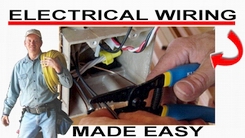


Steps to Restoring Power to an Electrical Circuit

|
How to Repair an Electrical Circuit when there is No Power: Steps for Repairing an Electric Circuit and Restoring Power when a Circuit has Lost Power. © By: Dave Rongey |
Repair an Electrical Circuit when there is No Power
Electrical Project: I thought I blew a circuit breaker by overloading a circuit but the breaker didn’t trip.
- I still have no power to the light or outlet.
- What do I look for?
This electrical wiring project came from: Chris, a Handyman from Kansas City, MO.
Additional Comments: Great site, very helpful.
Dave’s Reply:
Thanks for your electrical wiring question Chris.
Restoring Power to a Faulty Electrical Circuit
Application: Lost Electrical Power
Skill Level: Intermediate to Advanced.
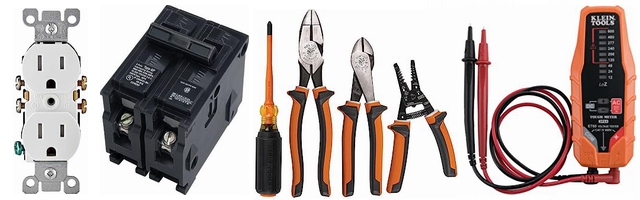
Tools Required: Basic Electricians Pouch Hand Tools and Voltage Tester.
Estimated Time: Depends on personal level experience and ability to work with tools.
Precaution: Identify the problem circuits, turn them OFF and Tag it with a Note before working with the wiring and checking for electrical splice problems.
Steps for Repairing an Electric Circuit and Restoring Power
Chris, here are some steps to take to restore power to a circuit:
- Clear the Electrical Circuit
First, make sure that the circuit is clear. It is important to identify and disconnect anything that was being used when the circuit stopped working. - Unplug Electrical Devices
If a device was plugged into an outlet when the circuit stopped working then unplug the device because there is a possibility that the device has an electrical problem. - Disconnect Circuit Equipment
Disconnect anything that may have been used when the power stopped working. - Identify the Circuit
Identify the circuit breaker and push it all the way into the OFF position, then back into the ON position. - Checking for a GFCI
If the power does not restore and the circuit supplies power to an area such as a garage, kitchen, bathroom or outdoor area then there may be a GFCI outlet that is part of the circuit that has tripped off and requires to be reset by simply pressing the RESET button. - Circuit Inspections and Evaluations
If the circuit power is still not restored then the circuit breaker should be turned off and labeled, then a series of inspections and tests will be required starting from the affected device and possibly several other devices until the problem has been identified and the necessary repairs.
IMPORTANT
Inspections and repairs are best provided by a qualified electrician who can assist you when there has been lost power.
More about Home Wiring:
Troubleshooting Electrical Wiring
Types of Electrical Testers
Using Electrical Testers
Home Electrical Circuits

Electric Circuit Listing
The size of the home electrical service panel is designed by calculating the square footage of the home and factoring in the code requirements for the electrical circuits that are required.
Home Circuit Breakers
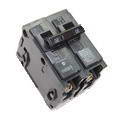
Electrical Wiring Protection using Circuit Breakers
A guide to home electrical circuit breakers and how they work to protect your electrical wiring. When properly installed, your home electrical wiring is protected by a circuit protection device.

Wiring Electrical Outlet for the Home
Home electrical wiring includes 110 volt outlets and 220 volt outlets and receptacles which are common place in every home. See how wiring electrical outlets for the home are done.
This link is helpful as a Handyman
Do-It-Yourself Electrical
The following may also be helpful for you:
|
|
Be Careful and Be Safe - Never Work on Energized Circuits!
Consult your Local Building Department about Permits and Inspections for all Electric Wiring Projects.


More articles about electrical circuit, No Power and Home Electrical Wiring: |
|
| « Previous | Next » |
Why Does My Underground Electrical Wiring Not Work? |
Moving an Electric Range Circuit |